
Oil does a lot of quiet work inside your engine. It keeps all the moving metal parts from grinding against each other, and it carries away heat and small bits of debris that build up as the engine runs. Without it, metal would be rubbing on metal every time you start the car. Over time, that oil breaks down from heat and gets dirty from normal driving. Once it loses its ability to lubricate properly, engine parts wear faster than they should, and that wear does not reverse itself. It just adds up, mile after mile, until something that could have been a simple oil change turns into a bigger repair. For drivers around Yuba City, keeping up with this basic service is one of the cheapest ways to protect an engine over the long run.
Signs You Need an Oil Change
- Oil change light or maintenance reminder on
- Engine sounds louder or more ticking than usual
- Oil looks dark and gritty on the dipstick
- It has been a while since your last change
- Exhaust smoke that seems darker than normal
- Engine feels sluggish or less responsive
Most people figure out it is time for an oil change because of a dashboard reminder light, or because they do the math and realize it has been a long stretch since the last one. Others check the dipstick and notice the oil looking dark, thick, or gritty instead of clear and golden. A ticking sound from the engine, especially right when you start it cold in the morning, can be a sign the oil is not coating and protecting parts the way it should. None of these signs mean your car is about to break down right then. But ignoring them for too long turns normal wear into accelerated wear, and that is the kind of damage that shows up later as a much bigger bill.
Before we drain anything, we check the oil level and take a look at its condition and color. Thin and clean is good. Dark, gritty, or low tells us something. We also look underneath the car for any obvious leaks, because a leak changes the whole picture. If oil is dripping out, the new oil will not stay in the system as long as it is supposed to, and the oil change alone will not fix the real problem. This quick check before we start gives us a sense of whether this is a routine, in and out service or whether there is something else going on that needs a closer look before we move forward with the rest of the job.
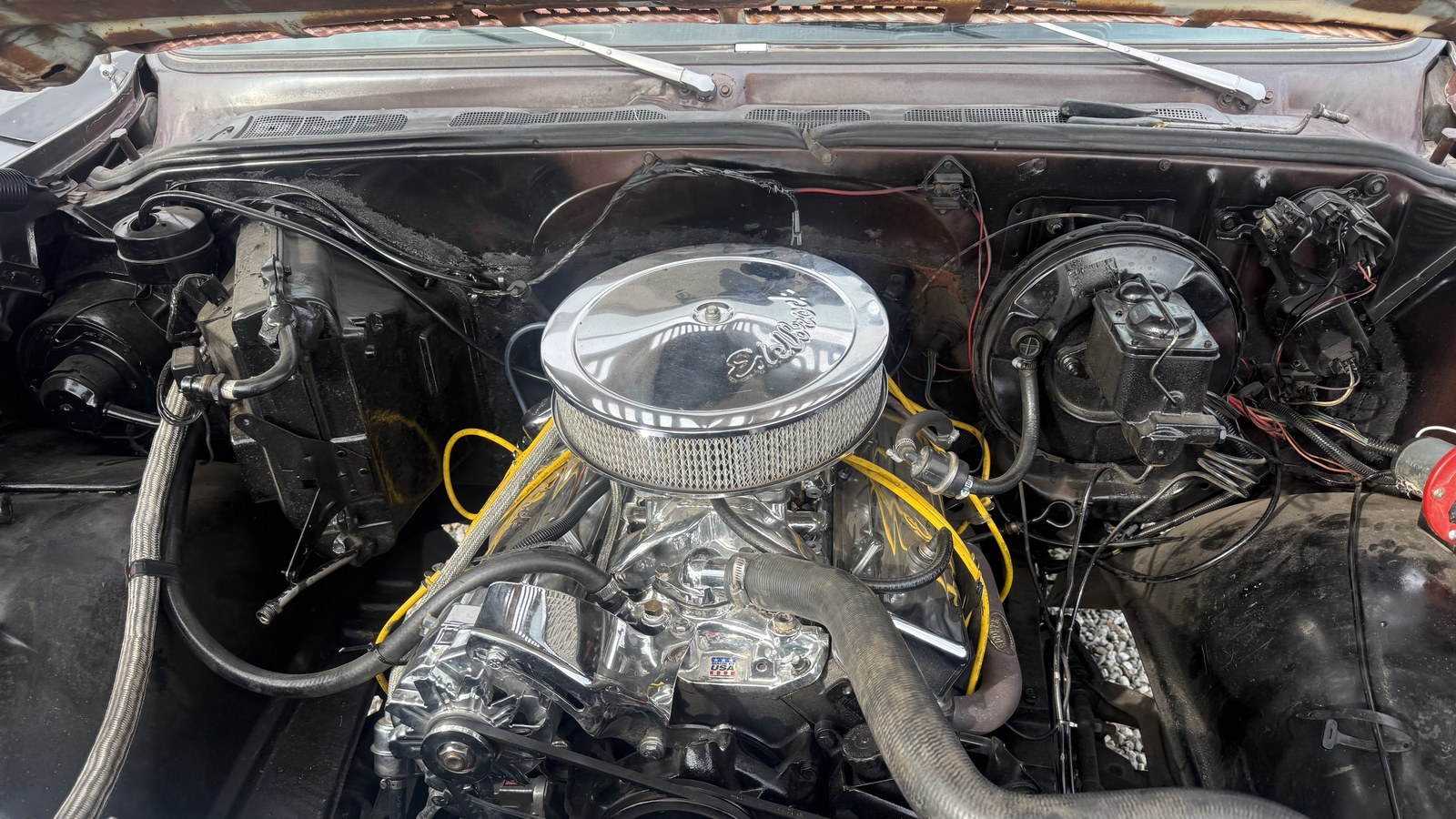
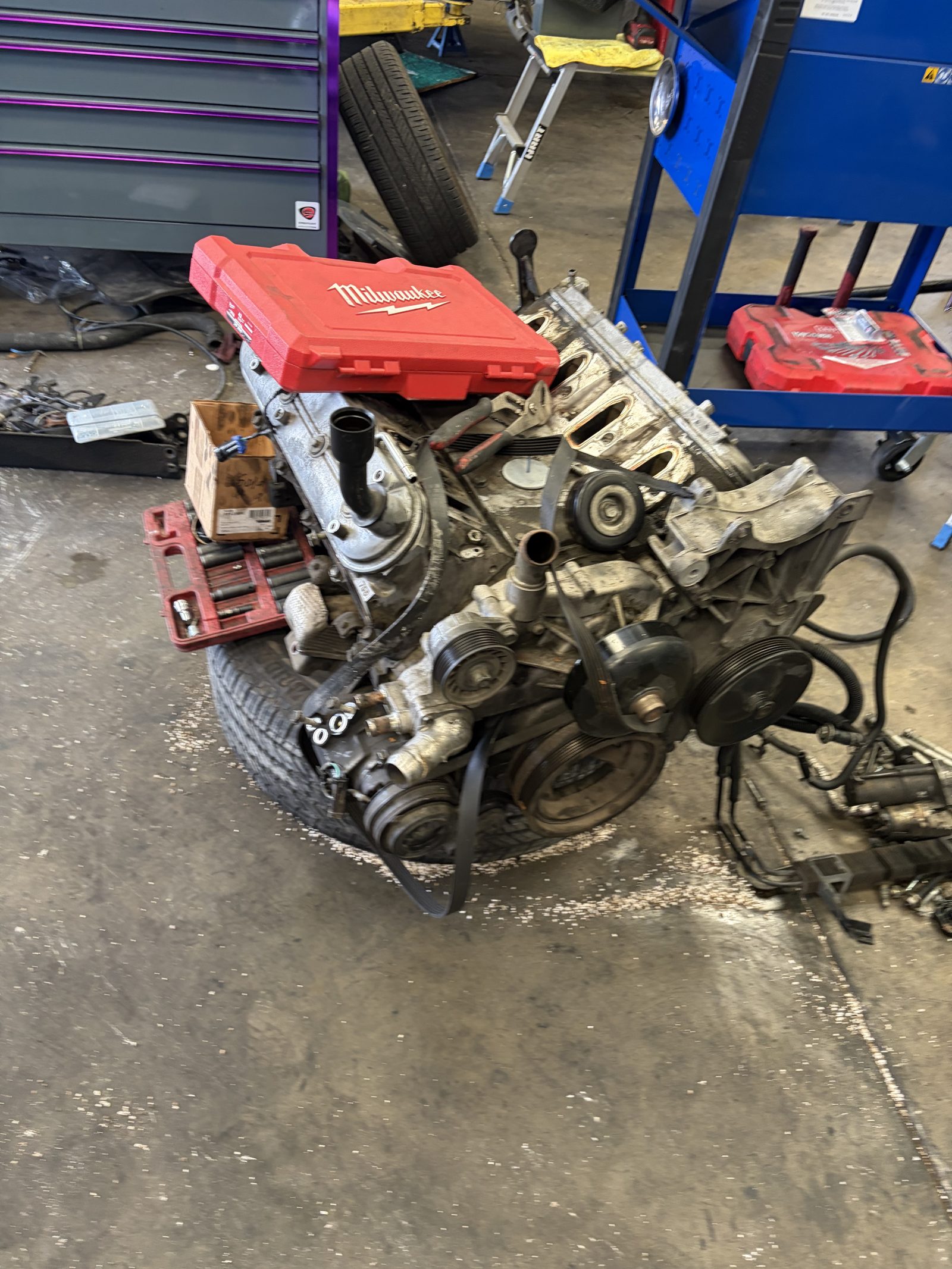
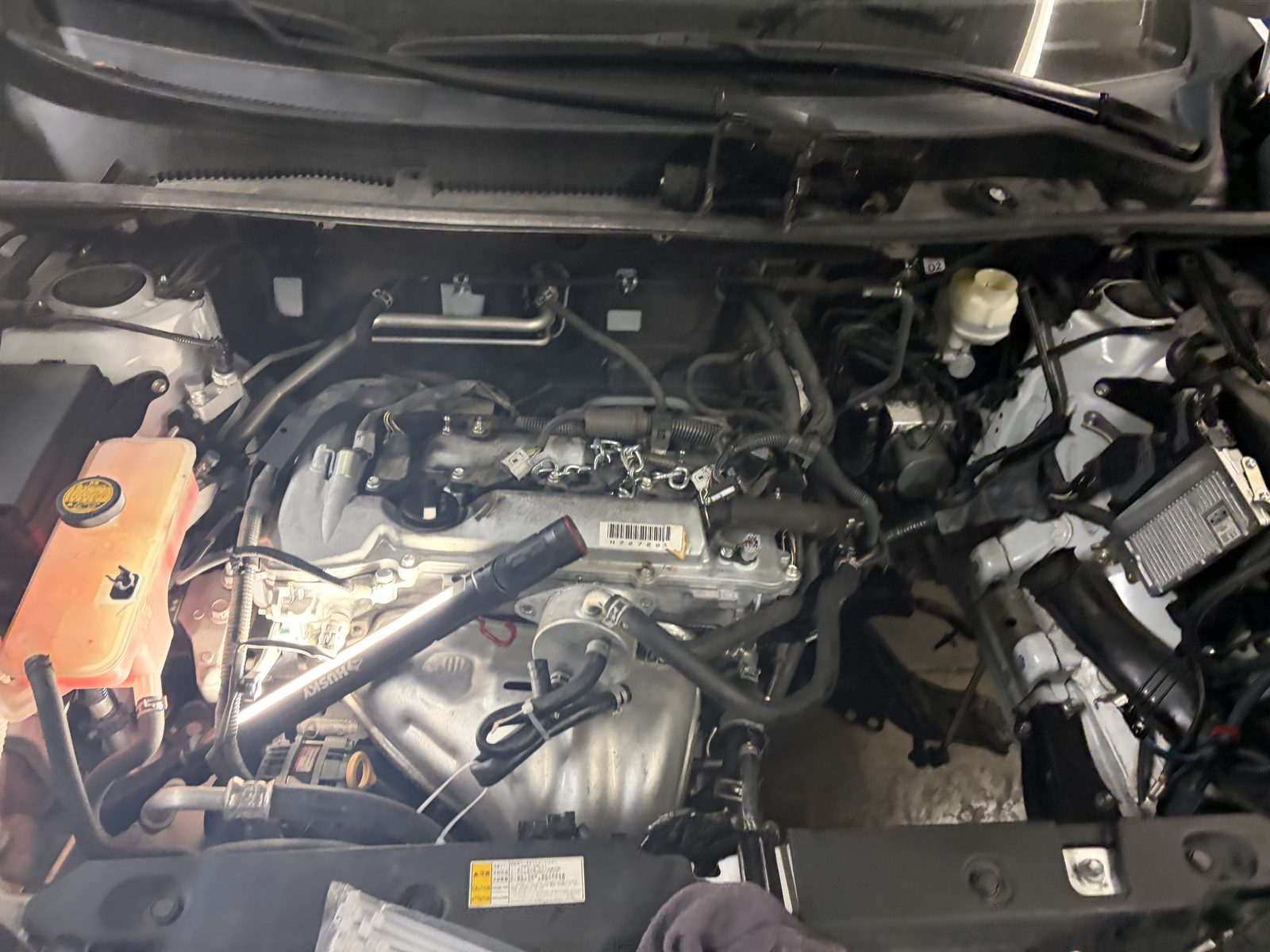
The actual job is straightforward but has a few steps that matter. We drain the old oil completely, swap in a new oil filter, and refill the engine with the correct oil type for that specific vehicle. While we are already under the hood, we check other fluid levels too, things like coolant and brake fluid, since those are easy to glance at while everything is open. We also take a look at belts and hoses for cracking or visible wear, since those parts tend to fail quietly until they do not. Once the new oil is in, we check carefully for leaks around the new filter before the car goes back to you, so you are not getting a drip on your driveway a day later.
Some jobs take a little more time and attention than others. A stuck or hard to reach oil filter can slow things down, and some drain plugs need extra care to come loose without stripping. If we spot a leak while we are under there, that might need more than the standard fix, and we will walk you through what we are seeing. Certain vehicles also call for specific oil types or specialty filters, and using the wrong one can affect how well the engine is protected between changes. We keep an eye out for all of this during a routine oil change so nothing gets missed, and we will tell you plainly if we find something beyond the normal service before doing extra work.
How urgent this is depends a lot on what your car is telling you. If the oil change light is on but the car is driving normally, with no odd sounds or smells, you can typically plan around it without much stress. If you are hearing ticking, noticing smoke from the exhaust, or the engine feels sluggish or rough, that is worth getting checked sooner rather than later. Those symptoms suggest the oil has already gone past due and the engine is feeling it. Catching it at that stage still gives us options. Waiting longer narrows those options and raises the chance that a basic service visit turns into a conversation about engine damage instead.
We work on cars from Yuba City, Marysville, Wheatland, Linda, Olivehurst, Gridley, Sutter, and Biggs, and oil changes are one of the most common reasons people bring a car in. It is easy to put off because the car still drives fine for a while even with old oil in it. But that engine wear we mentioned earlier does not pause just because you are busy. Staying ahead of it with regular changes, and letting us flag anything unusual we see underneath or around the filter, is a simple way to avoid bigger repairs tied to engine diagnostics or worse down the road. If it has been a while, or something feels off when you start the car, it is worth getting it looked at.
What to Tell Us When You Call
- Year, make, and model of your vehicle
- About how many miles since your last oil change
- Any noises or warning lights you have noticed
- Whether you have noticed any leaks under the car
 Supercanic