
Your engine runs on a careful mix of air, fuel, and spark, and all of it is managed by sensors feeding information to a small computer. That computer makes adjustments constantly, hundreds of times a minute, to keep things running smooth. When one sensor sends a reading that does not match what the computer expects, or a part starts to fail, the computer logs a code and usually turns on the check engine light. The light by itself does not explain what broke. It just means something needs a closer look. That is the whole point of engine diagnostics, drivers in Yuba City bring us cars with a lit dash and no idea why, and our job is reading the actual data instead of guessing at parts to swap.
Signs You Need Engine Diagnostics
- Check engine light is on or blinking
- Rough idle or shaking at stop lights
- Loss of power when accelerating
- Engine stalls or hesitates randomly
- Noticeable drop in fuel mileage
- Strange smells or smoke from under the hood
A steady check engine light often points to something small, like a loose gas cap or a sensor that has drifted a little out of range over time. Not every light means a big repair. A blinking light is a different story. That usually means an active misfire, which can send unburned fuel into the catalytic converter and damage it if the car keeps running that way. Rough idling, random stalling, or a gas mileage drop you cannot explain are also signs the engine management system is struggling with something. None of these symptoms tell you the exact cause on their own, but ignoring them tends to let a cheap fix turn into a expensive one down the road.
We start every job by pulling the stored codes with a scan tool, same as any shop would. But a code is just a starting point, it tells you which system is acting up, not necessarily which part failed. So we do not stop at the printout. We check live data while the engine is actually running, watching sensor readings in real time to see where things go wrong. We also inspect the wiring and connectors feeding those sensors, since a corroded plug or a chafed wire can throw the exact same code as a bad part. This step matters because two completely different problems can set off the same light, and we are trying to find the real cause, not just clear the symptom.
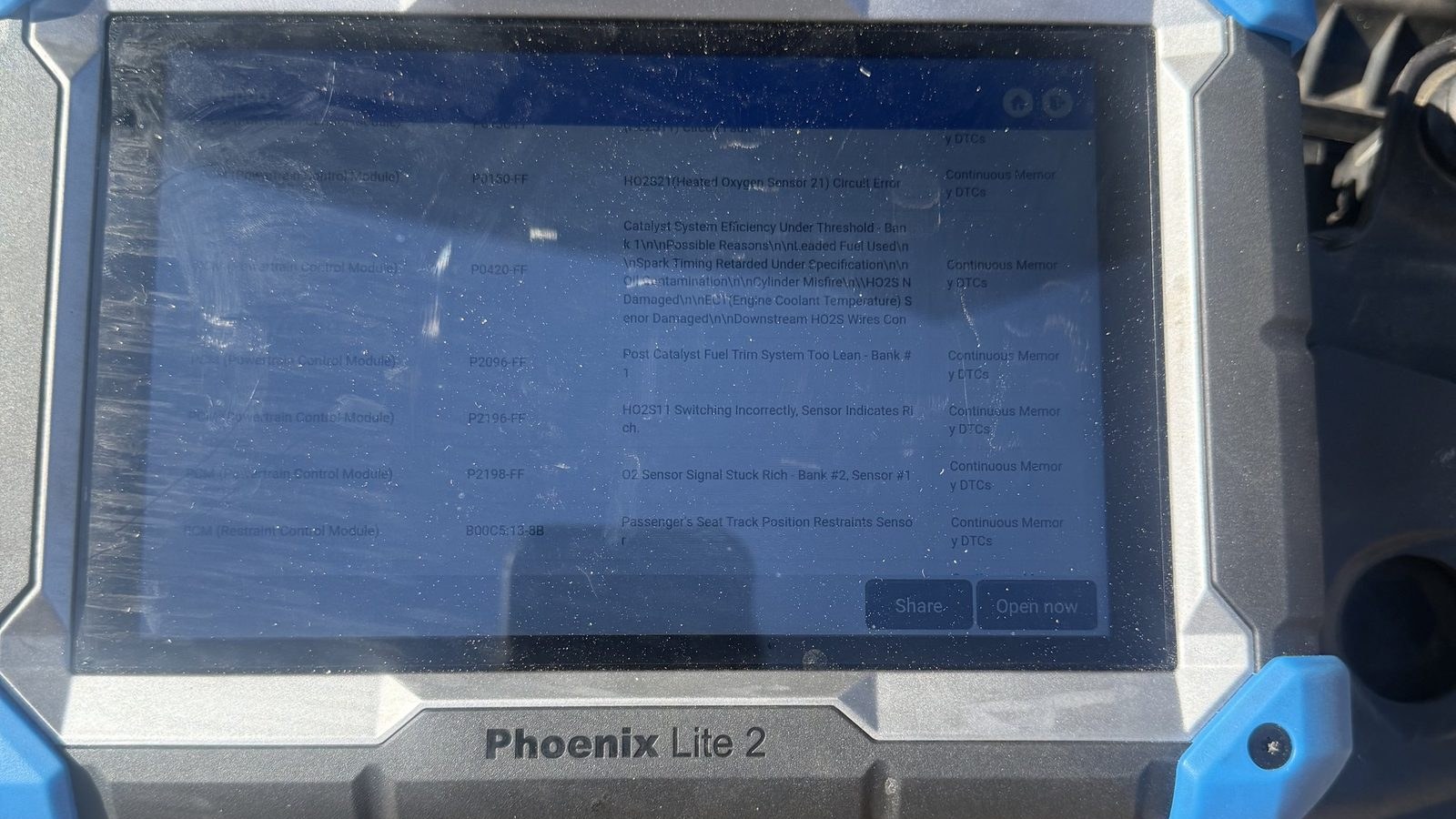

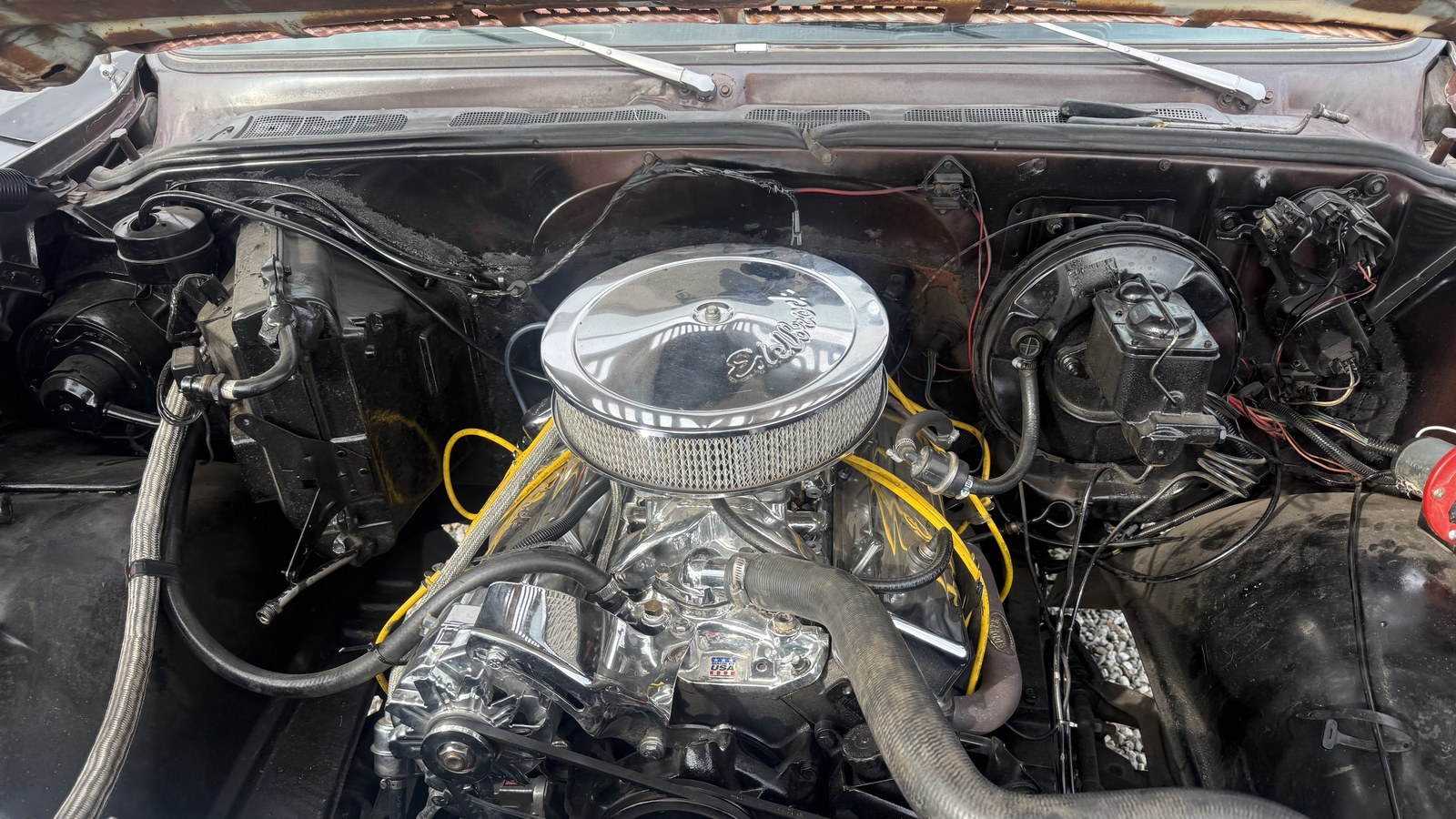
Once we know what is actually happening, we walk you through it in plain language, what the code meant and what we found once we looked past it. If the issue traces back to a sensor, we test it against known good values to confirm it is really the problem. If it is tied to fuel delivery, ignition timing, or the emissions system, we follow the wiring and components back to the source instead of stopping at the first part in line. Depending on what turns up, the fix might be something simple, like swapping a sensor or clearing a code after another repair is finished, or it might mean more involved work on the ignition components or fuel system itself.
What makes a diagnostic job quick or drawn out depends entirely on what is actually failing under the hood. A single bad sensor with a clear code is usually straightforward to track down and confirm. Multiple codes showing up together, intermittent wiring issues, or a problem that only shows itself once the engine is warm or under load take more time and more testing to pin down. Older vehicles add their own wrinkle too, since worn connectors and corrosion built up over years of driving around Yuba City, Marysville, and nearby towns can mimic sensor failures or create extra steps before we land on the real cause.
If your check engine light is steady and the car is otherwise driving the way it always has, you can usually keep driving it and get it checked without panicking. A steady light on a normal running car is not an emergency. A blinking light is a different situation entirely, and so is a car that starts shaking, stalling at stops, or putting off a strong fuel smell. In any of those cases, it is better to stop driving and get the car looked at before continuing on. Pushing through a misfire or ignoring a blinking light can let a repairable problem spread into the exhaust system or engine internals.
We work on vehicles from Yuba City, Olivehurst, Linda, Gridley, Sutter, Biggs, and Wheatland, and engine lights do not wait for convenient timing, so being reachable matters when a dash light shows up out of nowhere. Whether the issue is a single wayward sensor or a tangle of codes on an older vehicle, the approach stays the same, read the data, check it against real values, and trace every code back to its actual source before calling it fixed. That is how a code turns into an answer instead of a guess, and how a small issue gets caught before it turns into a bigger repair down the line.
What to Tell Us When You Call
- Year, make, and model of your vehicle
- Whether the check engine light is steady or blinking
- Any symptoms like shaking, stalling, or power loss
- When the problem started or what you were doing when it did
 Supercanic