
Every car runs on a web of electrical parts working together. The battery stores power, the alternator keeps it charged while the engine runs, the starter kicks the engine over, and wiring carries current to everything from headlights to the computer that controls your engine. A single loose wire or a corroded connector can cause trouble in a part that seems completely unrelated, which is what makes electrical problems so confusing to chase down on your own. Heat, moisture, and plain old age wear on these systems over time. Connections loosen, insulation cracks, and contacts corrode. These issues rarely show up on a convenient schedule. More often they show up on a cold morning or after your car sits for a few days, right when you need it to just start.
Signs of an Electrical Problem
- Car clicks but will not crank
- Dashboard lights flicker or dim
- Battery keeps dying overnight
- Power windows or locks work on and off
- Headlights dim or flicker while driving
- Random warning lights with no clear cause
The most common sign we see is a car that clicks but won't crank. That click is usually the starter solenoid trying to engage, and it points to a weak battery or a failing starter. Flickering dash lights or headlights that dim when you hit the brakes or turn on the AC usually mean the alternator is not charging the way it should. If your battery is dead every morning even after a full charge the night before, something in the car is pulling power while it sits, known as a parasitic draw. Then there are the intermittent problems, like power windows or door locks that work fine one day and not the next. Those point to a loose wire or a bad connector hiding somewhere in the harness, which can be tricky to track down without testing.
We start every electrical diagnostics job with a battery and charging system test, since that rules out the simplest causes first before we go any further. From there, we use a multimeter and wiring diagrams specific to your car to trace the actual circuit causing the problem. That means checking connectors, ground points, and fuses one at a time until we find where the current is breaking down or leaking out. If the car has stored trouble codes in its computer, we pull those too, but we treat them as a starting clue, not the final word. Codes point us toward a system, but they do not always name the exact part or wire at fault, so the hands on testing is what actually confirms the problem.
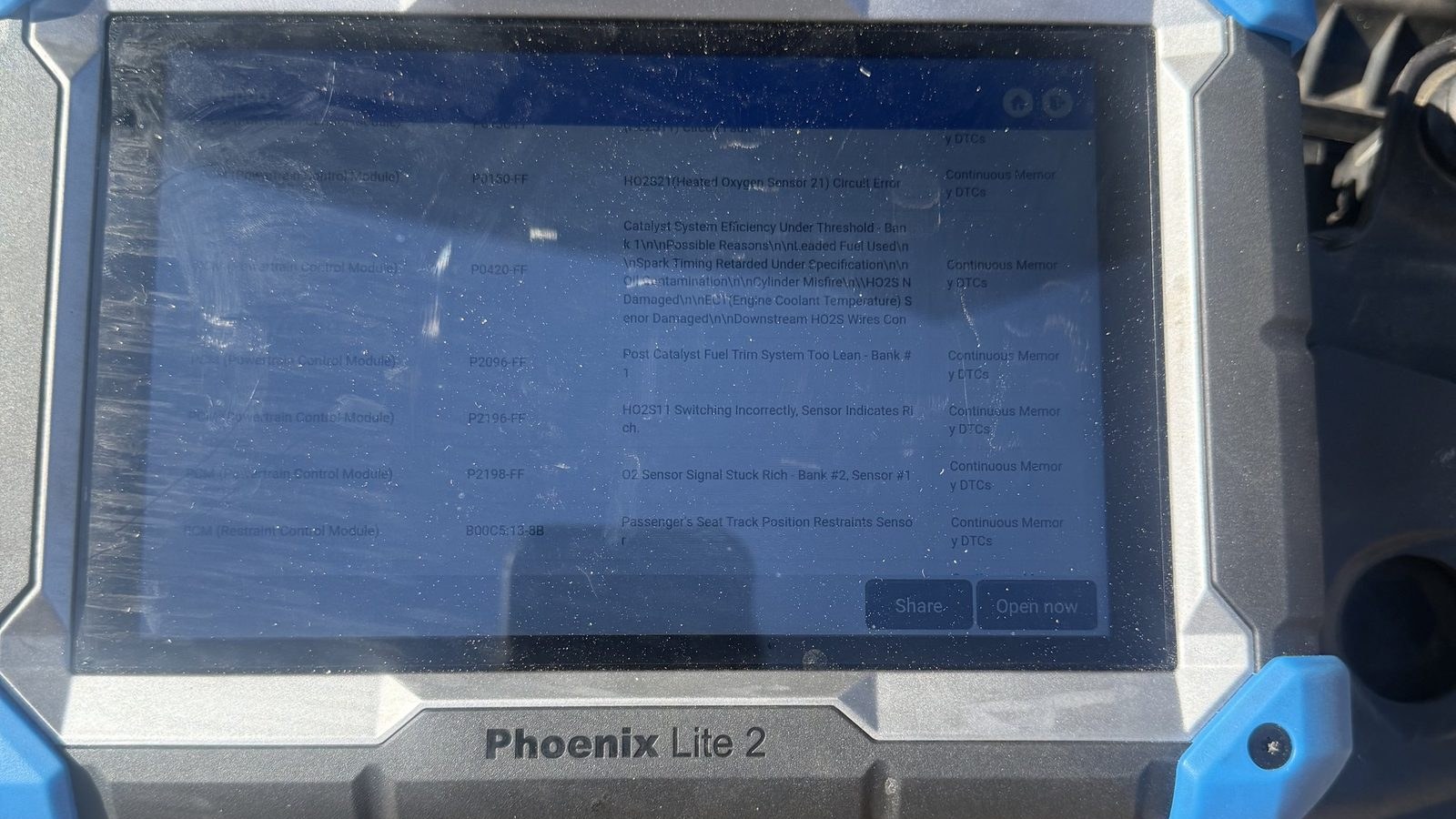
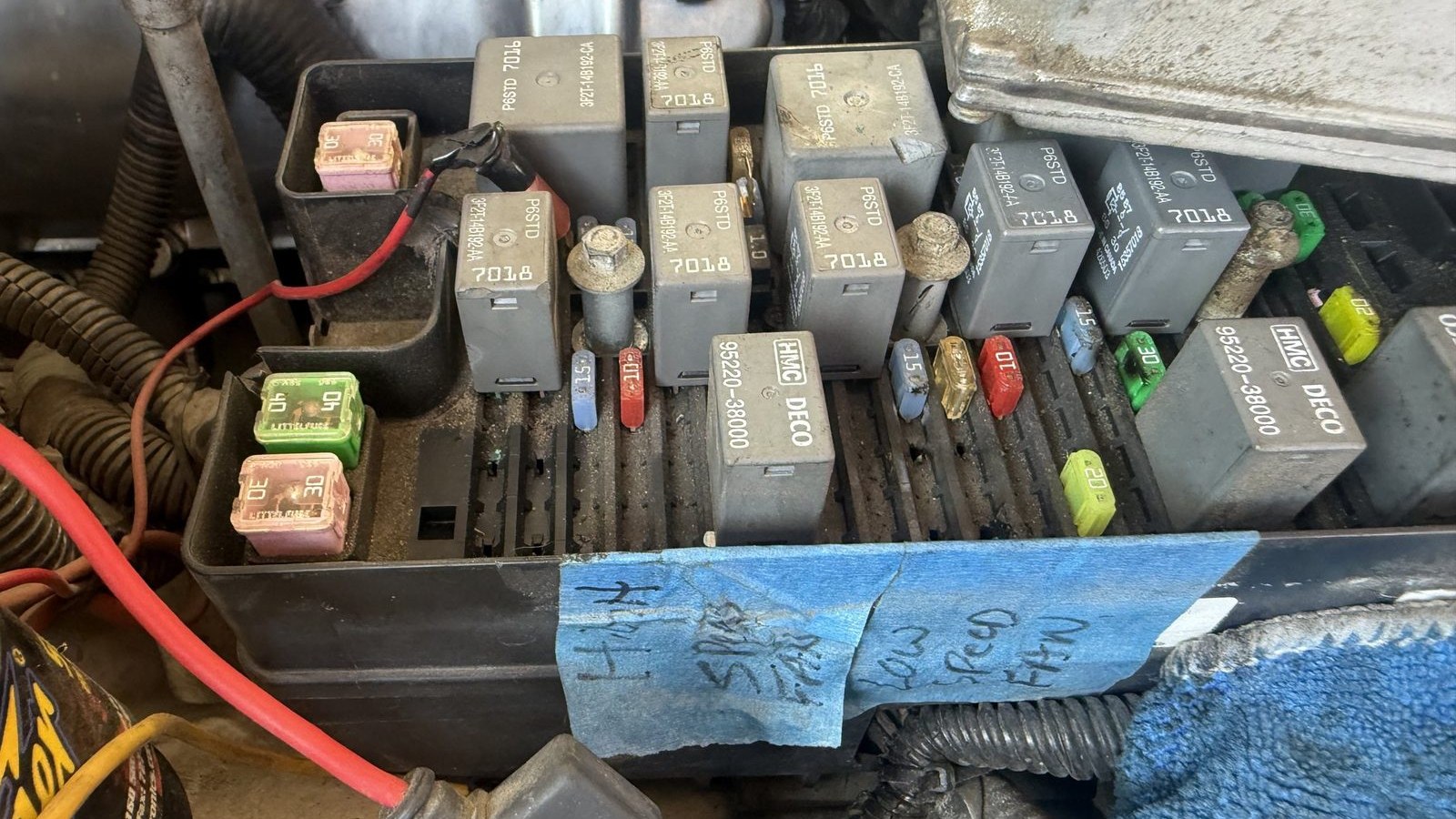

Once we track down the real cause, the fix can be surprisingly simple. Sometimes it is just cleaning a corroded battery terminal or swapping a blown fuse, and the whole problem disappears. Other times the issue runs deeper, calling for a new alternator, starter, or battery, or a repair to a damaged wire or connector buried in the harness. We do not consider the job done once a part is swapped. After any electrical repair we test the system again under real conditions to confirm the original symptom is actually gone and not just hiding for a while. A car that starts once in the shop is not proof the fix worked. We want to see the charging system, the starter, and the wiring all behaving the way they should before we call it finished.
Not every electrical job takes the same amount of time to sort out. A simple battery terminal cleaning or a blown fuse is quick to spot and quick to fix. A wiring problem tucked behind a dash panel or buried under carpet takes a lot more patience to trace, since we have to follow the circuit without damaging anything else along the way. Cars with aftermarket add ons, like upgraded stereos, alarms, or remote starters, often have extra wiring spliced into the original harness, and that extra complexity can make the search longer. It is also worth knowing that electrical issues rarely stay small. The longer a draw or a bad connection sits unaddressed, the more it drains the battery and puts extra strain on the alternator and starter trying to compensate for it.
If your car is clicking but not starting, resist the urge to keep turning the key over and over. Each attempt pulls more power from an already weak battery and can make the problem worse, sometimes turning a simple jump start situation into a dead battery that needs a full charge or replacement. If the car does start, do not just drive off and forget about it. Keep an eye on your dash for warning lights, unusual dimming, or anything flickering, since those are signs the charging system is still struggling even though the engine is running.
We work on electrical systems for drivers across Yuba City, Marysville, Wheatland, Linda, Olivehurst, Gridley, Sutter, and Biggs, and car trouble does not wait for a convenient day. A battery that will not hold a charge or a dash light that will not turn off is worth getting looked at before it leaves you stuck somewhere inconvenient, whether that is a driveway in Sutter or a parking lot in Gridley. Catching a wiring or charging problem early usually means a smaller, simpler fix instead of a bigger repair down the road.
What to Tell Us When You Call
- Year, make, and model of your car
- What the car does, like clicking or not starting at all
- Any warning lights on the dash
- Whether the problem comes and goes or is constant
 Supercanic